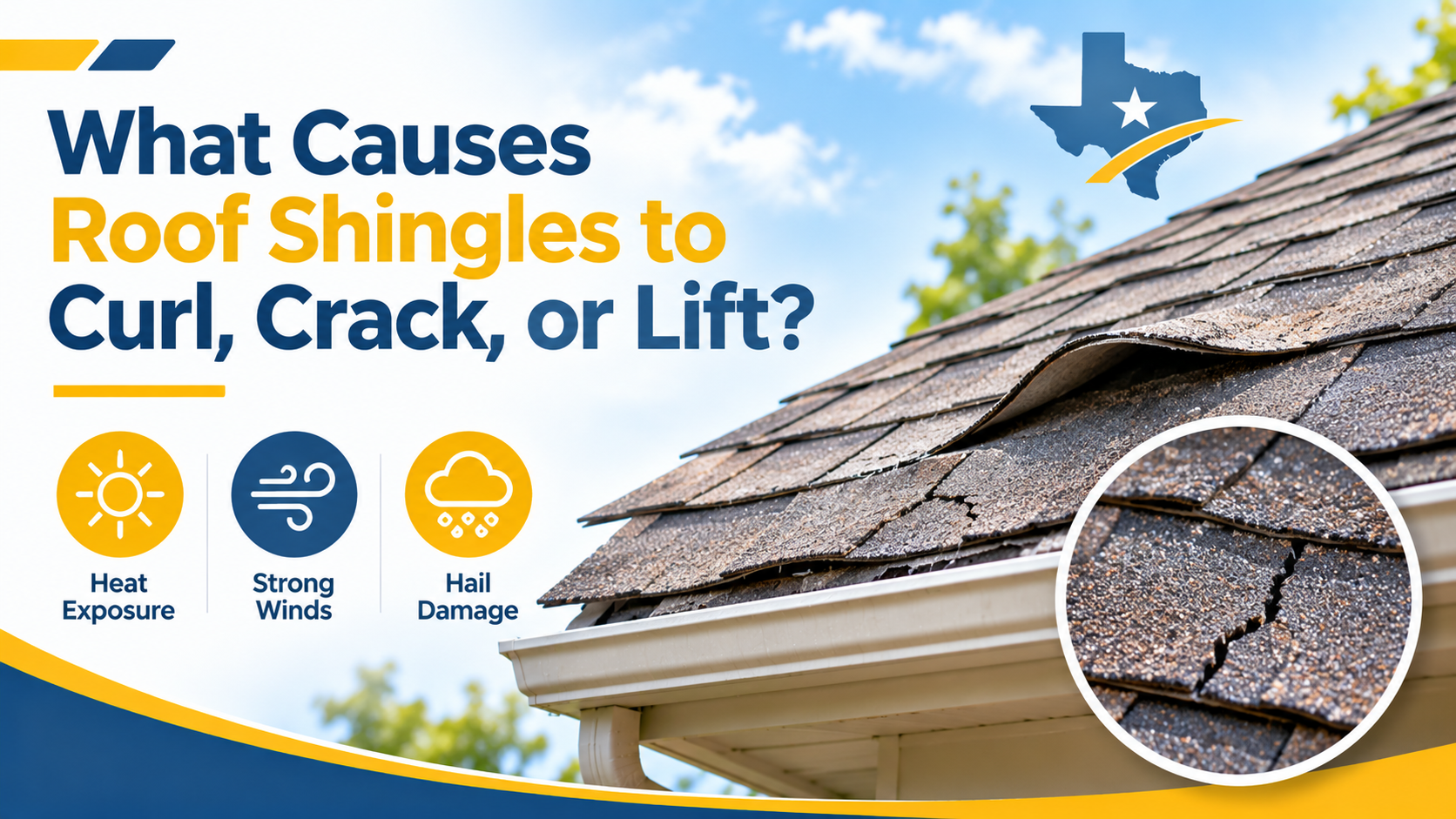
Have you noticed roof shingles curling at the edges, developing cracks, or lifting away from the roof? These problems may look minor at first, but they can indicate that your roofing system is starting to deteriorate.
Roof shingles protect your home from rain, wind, sunlight, and other weather conditions. When they become damaged, your roof may lose some of its ability to keep water out. Over time, this can lead to roof leaks, water damage, and expensive repairs.
In Texas, roofs experience extreme summer heat, strong winds, hailstorms, and sudden weather changes. These conditions can gradually affect roofing materials and cause shingles to lose their strength and shape.
Understanding why roof shingles curl, crack, or lift can help you recognize early warning signs and take action before the damage spreads.
Why Do Roof Shingles Become Damaged?
Roof shingles are designed to withstand different weather conditions, but they do not last forever. Continuous exposure to sunlight, moisture, temperature changes, and strong winds can affect their condition.
Sometimes, the problem is caused by aging roofing materials. In other cases, poor installation, inadequate ventilation, or storm damage may be responsible.
Let’s look at the most common reasons roof shingles start curling, cracking, or lifting.
Common Causes of Curling, Cracking, and Lifting Roof Shingles
Aging Roofing Materials
One of the most common reasons roof shingles become damaged is natural aging. As shingles get older, they gradually lose flexibility and may become weaker.
Years of exposure to sunlight, heat, rain, and changing temperatures can cause the materials to deteriorate. You may start noticing curled edges, cracks, or shingles that no longer sit flat against the roof.
Older shingles may also lose protective granules, making them more vulnerable to weather damage.
If your roof is getting older and several shingles are showing signs of deterioration, a professional roof inspection can help determine whether repairs or replacement are needed.
Extreme Heat and Sun Exposure
Texas summers can be particularly hard on roofing materials. Continuous exposure to high temperatures and direct sunlight can cause asphalt shingles to age faster.
Over time, the heat can affect the asphalt and make shingles less flexible. As the materials deteriorate, you may notice curling edges, cracks, or other visible signs of damage.
Roofs with limited shade may experience more direct sunlight throughout the day, increasing their exposure to heat.
Proper attic ventilation can help reduce excessive heat buildup beneath the roof and support the overall performance of your roofing system.
Poor Attic Ventilation
Attic ventilation plays an important role in maintaining a healthy roofing system. It allows hot air and moisture to escape from the attic, helping regulate temperatures beneath the roof.
When ventilation is inadequate, heat can become trapped inside the attic. During hot Texas summers, this can contribute to increased temperatures around the roof decking and affect the performance of roofing materials.
Excess moisture can also create problems for the roof structure and insulation.
If you notice curling shingles along with excessive attic heat or moisture problems, it may be worth having your attic ventilation inspected.
Strong Winds and Severe Storms
Strong winds can lift shingles and break the adhesive seal that holds them in place. Once this seal is damaged, shingles may begin lifting, shifting, or becoming loose.
During severe Texas thunderstorms, wind can also remove shingles completely, leaving the underlying roofing materials exposed.
Even if your roof looks fine from the ground, strong winds may have weakened the shingles without removing them entirely.
If you notice lifted edges or missing shingles after a storm, consider scheduling a professional roof inspection to check for additional damage.
Improper Roof Installation
Roof shingles need to be installed correctly to provide proper protection against weather conditions. If the installation is not done properly, problems may appear much sooner than expected.
Incorrect nail placement, improper fastening, poor alignment, and inadequate sealing can prevent shingles from staying securely in place.
For example, shingles that are not fastened correctly may lift during strong winds. Poor installation can also create gaps that allow rainwater to enter underneath the roofing materials.
If your roof starts showing widespread shingle problems only a few years after installation, improper workmanship may be one possible cause.
Moisture and Water Exposure
Water can affect roofing materials when it repeatedly enters through damaged areas or remains trapped beneath the shingles.
Over time, moisture may weaken parts of the roofing system and contribute to shingle deterioration.
Poor drainage, damaged flashing, and clogged gutters can increase the risk of water-related roofing problems.
If you notice curled shingles along with water stains inside your home, it is important to have the roof checked before the damage becomes more extensive.
Hail Damage
Hailstorms are another common cause of roofing damage in Texas. When hailstones strike asphalt shingles, they can remove protective granules, create cracks, or damage the underlying material.
Some hail damage may not be easy to notice from the ground. You may only see small dark spots, exposed areas, or damaged shingles after a storm.
Over time, weakened shingles can become more vulnerable to cracking, moisture, and further deterioration.
If your home has experienced a hailstorm, a professional roof inspection can help identify damage that may otherwise go unnoticed.
Manufacturing Defects
Although less common, manufacturing defects can also contribute to shingle problems.
Sometimes, shingles may have weaknesses caused during the manufacturing process. These defects can affect their durability and ability to withstand normal weather conditions.
If multiple shingles show similar signs of curling, cracking, or unusual deterioration, a manufacturing issue may be worth investigating.
Checking your roofing product information and warranty can help determine whether the materials may be covered.
How to Identify Curling, Cracked, or Lifted Roof Shingles
Recognizing damaged shingles early can help prevent more serious roofing problems.
Curling shingles usually have edges or corners that turn upward or downward instead of lying flat. This can happen as the roofing materials age or lose flexibility.
Cracked shingles may have visible splits, broken sections, or damaged surfaces. These cracks can allow water to reach the layers underneath the shingles.
Lifted shingles look loose or raised above the surrounding roofing materials. This often happens when wind damages the adhesive seal or when shingles were not installed properly.
You may also notice missing granules, uneven roof sections, or pieces of shingles around your yard.
If you notice any of these signs, avoid walking on the roof yourself. A professional inspection is a safer way to determine how serious the damage is.
Can Damaged Roof Shingles Cause Roof Leaks?
Yes. Curling, cracking, and lifting shingles can increase the risk of roof leaks.
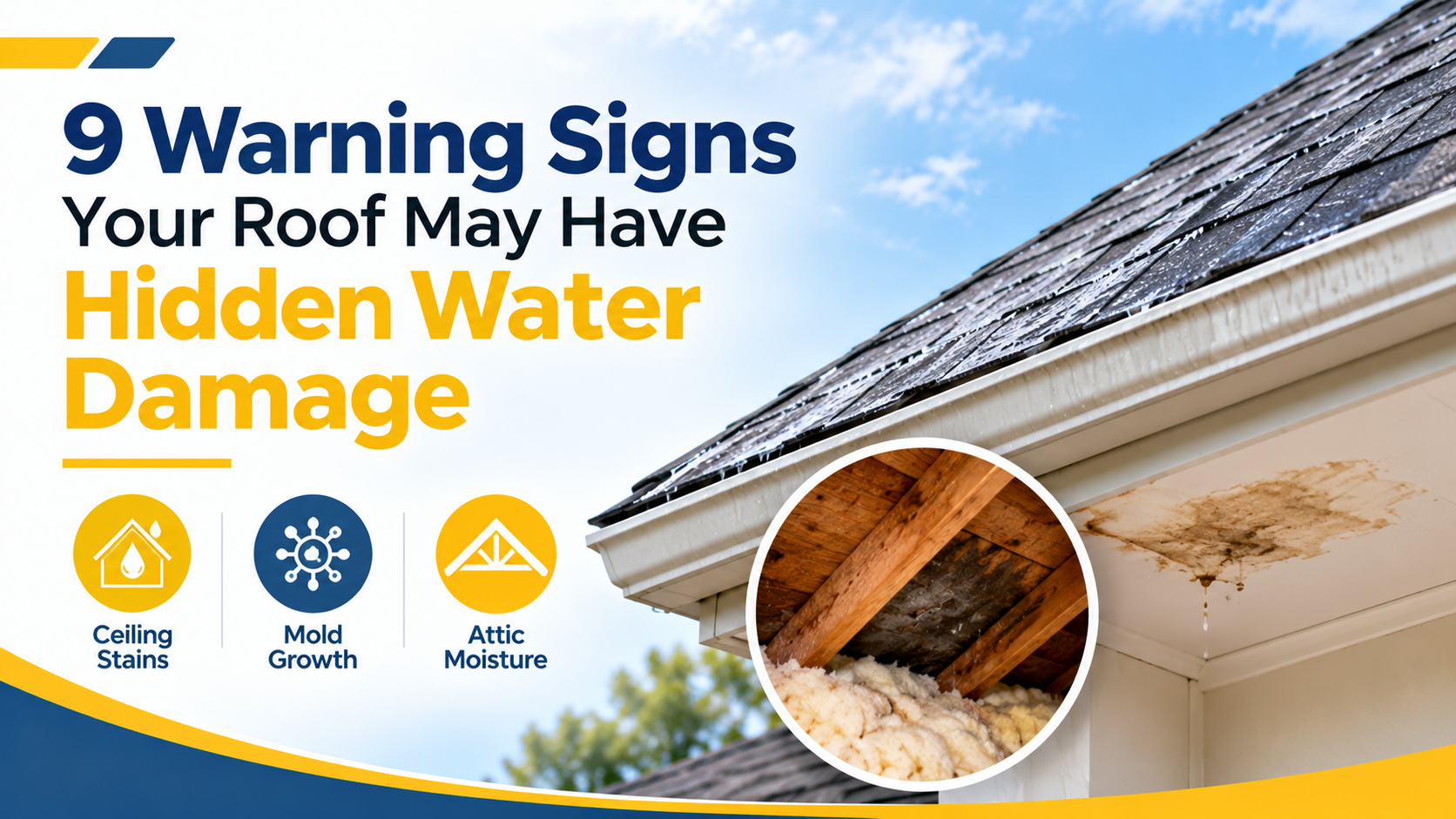
When shingles become damaged, they may no longer provide proper protection against rainwater. Water can enter through gaps, travel underneath the roofing materials, and eventually reach the roof decking or attic.
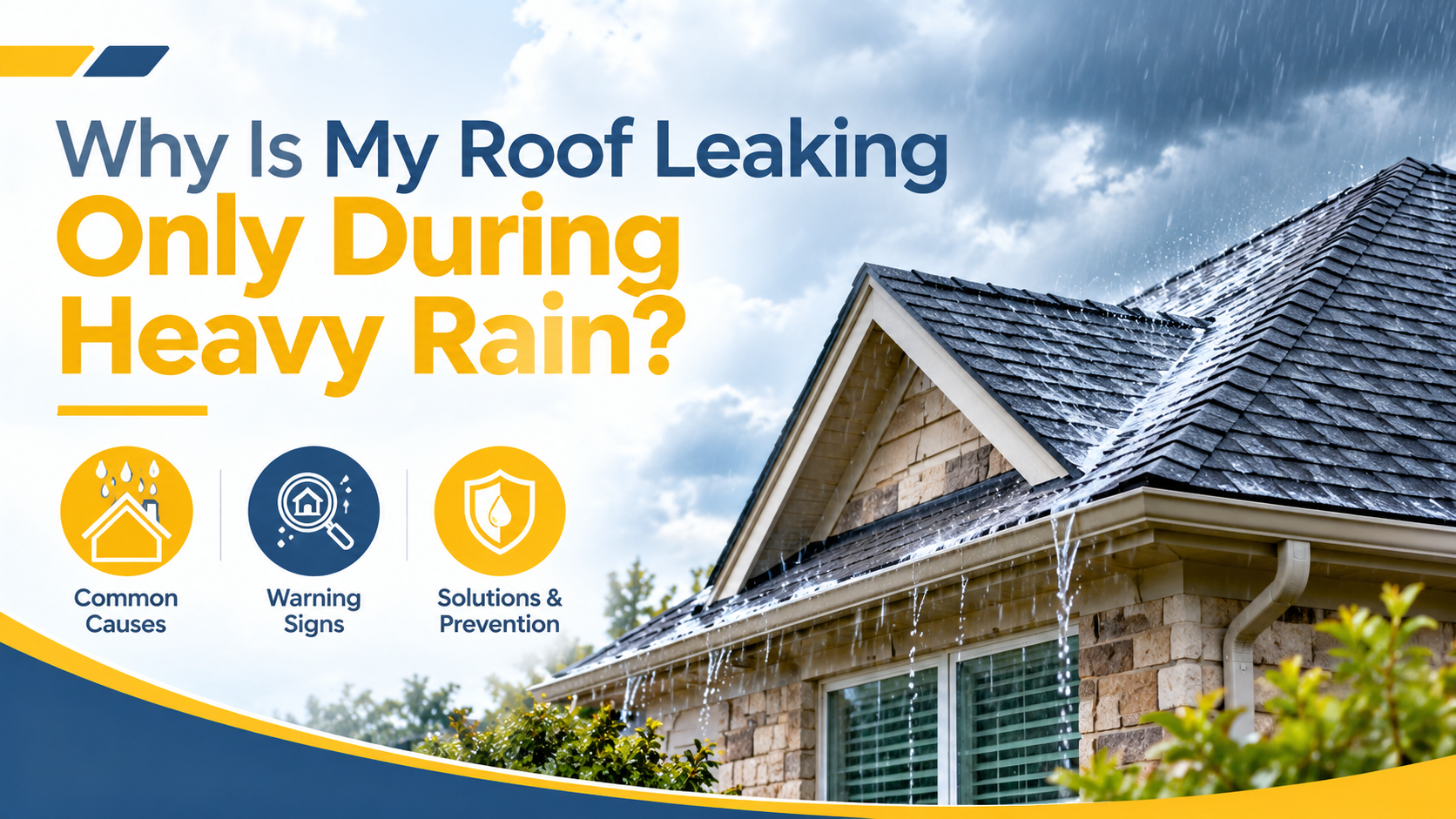
During heavy rainfall or strong winds, the risk may become even greater because water can be pushed underneath weakened shingles.
If the problem is not repaired, continued moisture exposure can damage insulation, ceilings, walls, and wooden roof structures.
That is why damaged shingles should be addressed as soon as possible.
Can You Repair Curling or Cracked Roof Shingles?
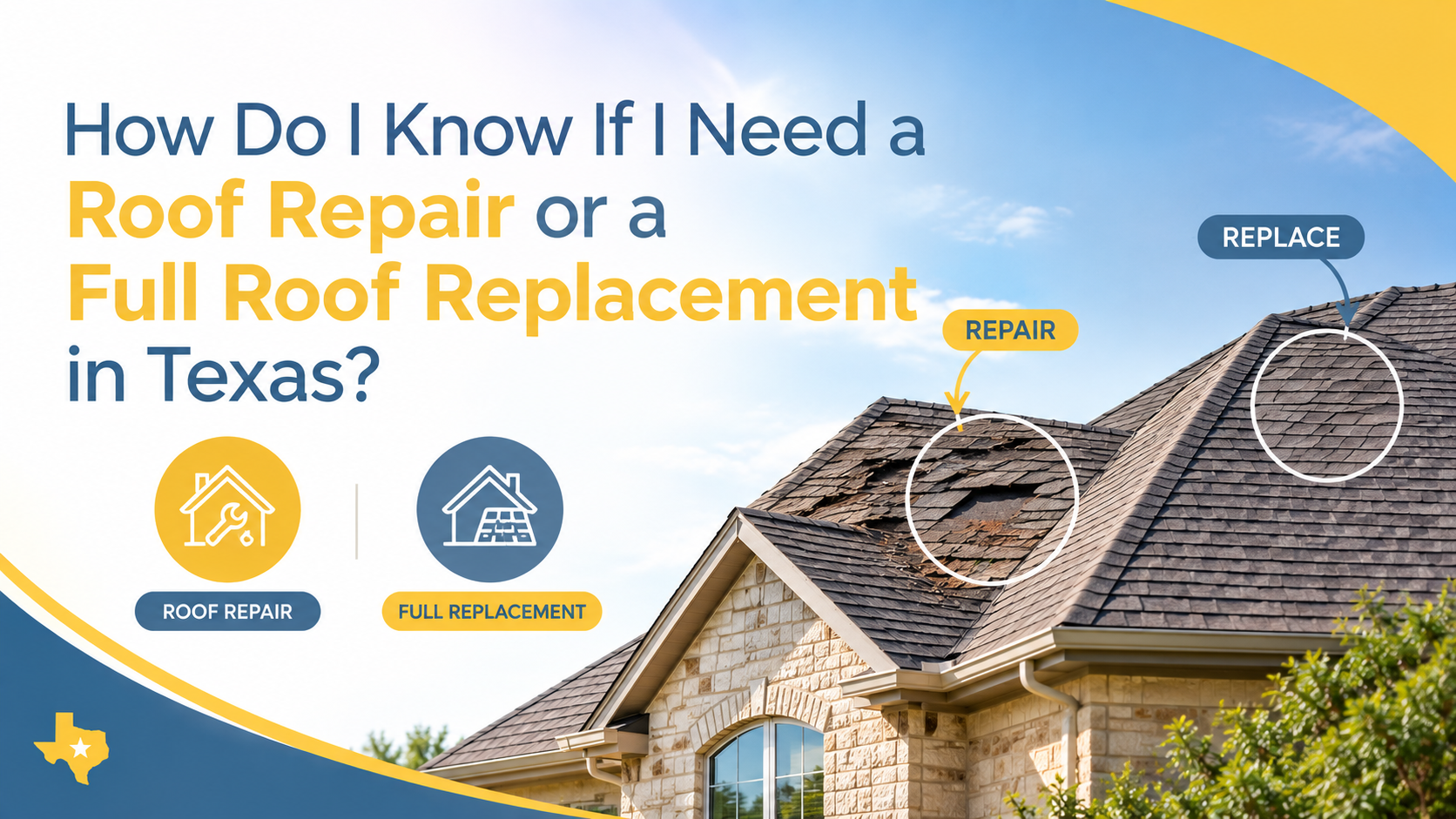
In some situations, damaged shingles can be repaired without replacing the entire roof. The right solution depends on the age of the roof, the number of affected shingles, and the extent of the damage.
If only a small section is affected, replacing individual shingles may be enough to restore the damaged area.
However, if shingles are curling or cracking across large sections of the roof, it may indicate widespread deterioration. In such cases, a complete roof replacement may provide a more reliable long-term solution.
A professional roofing contractor can inspect the roof and explain whether a localized repair or replacement makes more sense.
How Can You Prevent Roof Shingles From Curling, Cracking, or Lifting?
Regular roof maintenance can help reduce the chances of premature shingle damage. Although you cannot completely prevent natural aging or severe weather damage, taking care of your roof can help extend its lifespan.
Scheduling regular roof inspections allows you to identify loose shingles, damaged flashing, and other problems before they become serious.
Proper attic ventilation is also important, particularly during hot Texas summers. It helps reduce excessive heat and moisture buildup that can affect your roofing system.
After severe storms, it is a good idea to have your roof checked for missing, cracked, or lifted shingles. Keeping gutters clean and addressing drainage problems can also help protect your roof from moisture-related damage.
Taking care of small roofing issues early can help prevent more expensive repairs later.
Frequently Asked Questions
Why Are My Roof Shingles Curling at the Edges?
Roof shingles may curl because of aging, excessive heat, poor attic ventilation, moisture exposure, or improper installation. If you notice several curling shingles, consider having your roof inspected.
Can Strong Winds Lift Roof Shingles?
Yes. Strong winds can weaken the adhesive seal underneath shingles and lift their edges. If the damage is severe, shingles may become loose or blow off completely.
Are Cracked Roof Shingles a Serious Problem?
Cracked shingles can allow water to reach the roofing layers underneath. Even small cracks should be checked because continued exposure to rain can lead to leaks and additional damage.
Can Extreme Texas Heat Damage Asphalt Shingles?
Yes. Continuous exposure to high temperatures and sunlight can accelerate the aging of asphalt shingles. Over time, they may lose flexibility, curl, or develop cracks.
Should I Replace My Roof If the Shingles Are Curling?
Not always. If the damage is limited to a small area, replacing the affected shingles may be enough. However, widespread curling across an older roof may indicate that replacement is the better option.
How Long Should Asphalt Roof Shingles Last in Texas?
The lifespan depends on the shingle type, installation quality, ventilation, maintenance, and weather exposure. Texas heat and severe storms can affect how long roofing materials remain in good condition.
Can I Fix Lifted Roof Shingles Myself?
It is generally safer to have a roofing professional inspect and repair lifted shingles. Walking on a roof can be dangerous, and improper repairs may create additional problems.
Final Thoughts
Curling, cracking, and lifting roof shingles are signs that your roofing system may need attention. These problems can develop because of aging materials, extreme Texas heat, strong winds, hailstorms, poor ventilation, or improper installation.
Although some shingle damage can be repaired, ignoring the problem may allow water to enter your home and cause more extensive damage.
If you notice damaged or loose shingles, consider scheduling a professional roof inspection. Identifying the cause early can help you choose the right solution and protect your home from future roofing problems.
If you are a homeowner in Central Texas and have noticed curling, cracked, or lifted shingles, contact an experienced roofing professional to have your roof evaluated and discuss the best repair or replacement options for your home.